Improved Management Boosts Productivity in Cattle, Sheep, and Goat Farming
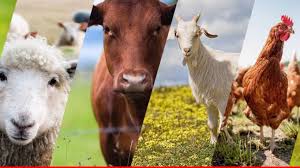
Farmers raising cattle, sheep, and goats are seeing improved productivity as better livestock management and animal health practices gain wider adoption.
Veterinary officers report that regular vaccination, deworming, and improved feeding have reduced disease outbreaks and increased meat and milk production across mixed-livestock farms. Training programs supported by organizations such as Food and Agriculture Organization have helped farmers understand proper animal nutrition, housing, and biosecurity.
Cattle farmers are benefiting from improved pasture management and access to supplementary feed during dry seasons, while sheep and goat keepers report better survival rates among young animals due to improved care and disease prevention.
Experts note that mixed-livestock farming is becoming increasingly popular because it spreads risk and provides farmers with multiple sources of income, including meat, milk, hides, and manure for crops.
Despite progress, challenges such as rising feed costs, climate change, and limited access to veterinary services remain. Agricultural authorities continue to encourage farmers to seek professional advice and adopt sustainable practices to protect animal health.
The livestock sector remains a vital contributor to food security, nutrition, and rural employment, with continued growth expected as farmers invest in better animal care.